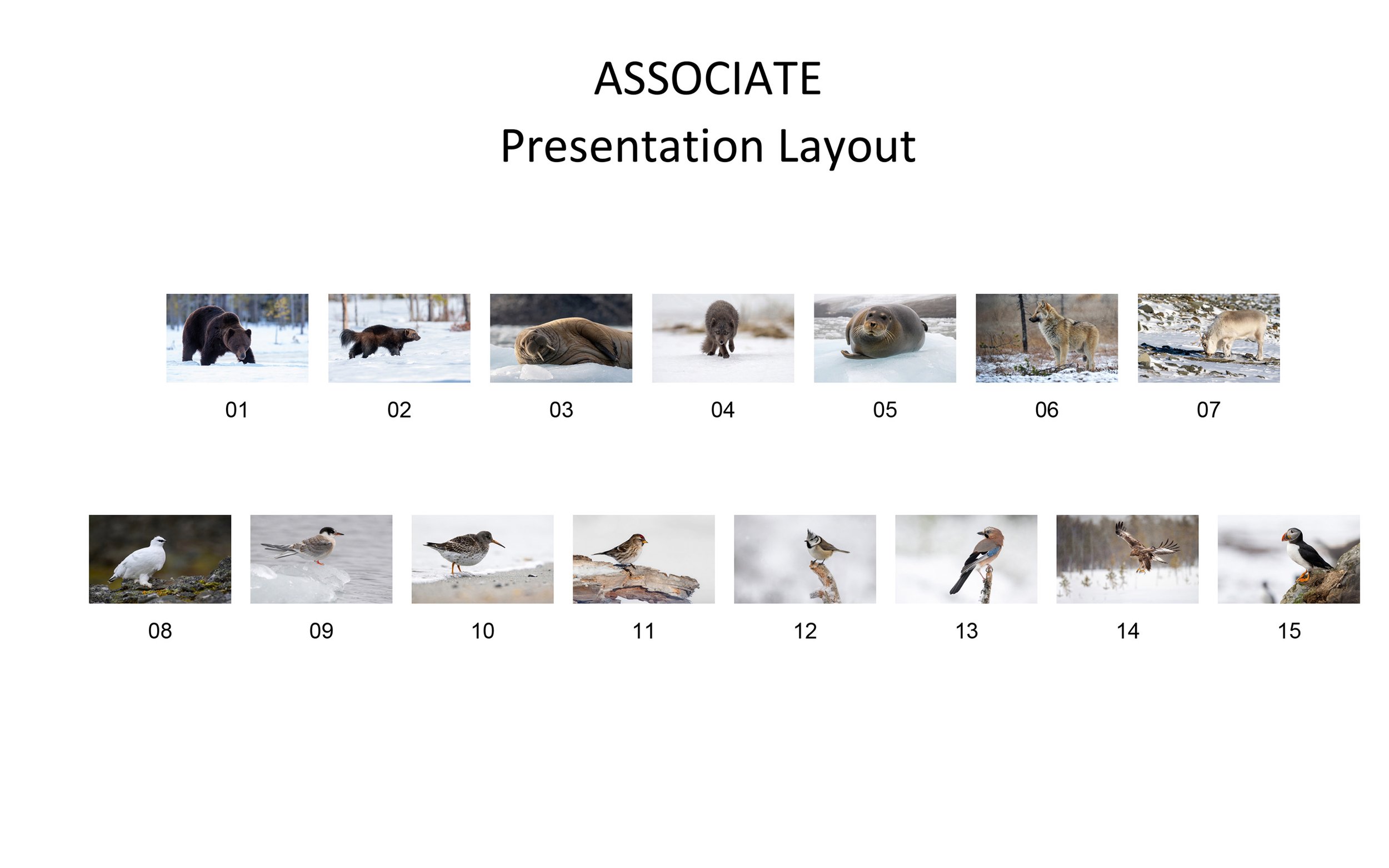
My final successful submission layout
A few years after gaining my LRPS in March 2021 my attention increasingly focused on possible themes for an ARPS panel. Having grown up in northern England and Scotland I have always been drawn to the wildlife of northern climes. In particular, I enjoy the challenge of going out into the field in often harsh conditions to capture Mother Nature’s elusive and hidden beauty. Therefore, to test the water I attended an online advisory day in August 2024, submitting a draft panel of images in wintry conditions covering a range of species from the UK, Iceland, Sweden and Finland. The feedback I received was particularly beneficial in gaining an understanding of the high technical standards required and the need to put together images conveying a fully cohesive theme. For example, one of my images of a stonechat in snow was not considered suitable given that stonechats are not generally associated with wildlife from the north, compared with, say, crested tits and mountain hares which are more obviously recognised as northern species.

Brown Bear
With a couple of future trips planned to visit Norway and Finland, the focus of my panel subject started to coalesce more precisely around birds and mammals of the Nordic countries. Additionally, having heard that “PDIs are more difficult to achieve success with than prints” I decided to submit a panel of PDIs since, I reasoned, this would potentially present greater challenge and hopefully more useful learning insights along the way.

Bearded Seal
Feedback from my first submission (in March 2025) drew attention to the fact that the presentation layout was a little haphazard, with some of the alternating light and dark images jarring slightly, something which was more evident as the images were projected. While I had some strong images that met the criteria there were several that suffered from technical issues, particularly the lack of sufficient depth of field, the presence of artefacts and halos in parts of the images, and lack of critical sharpness.
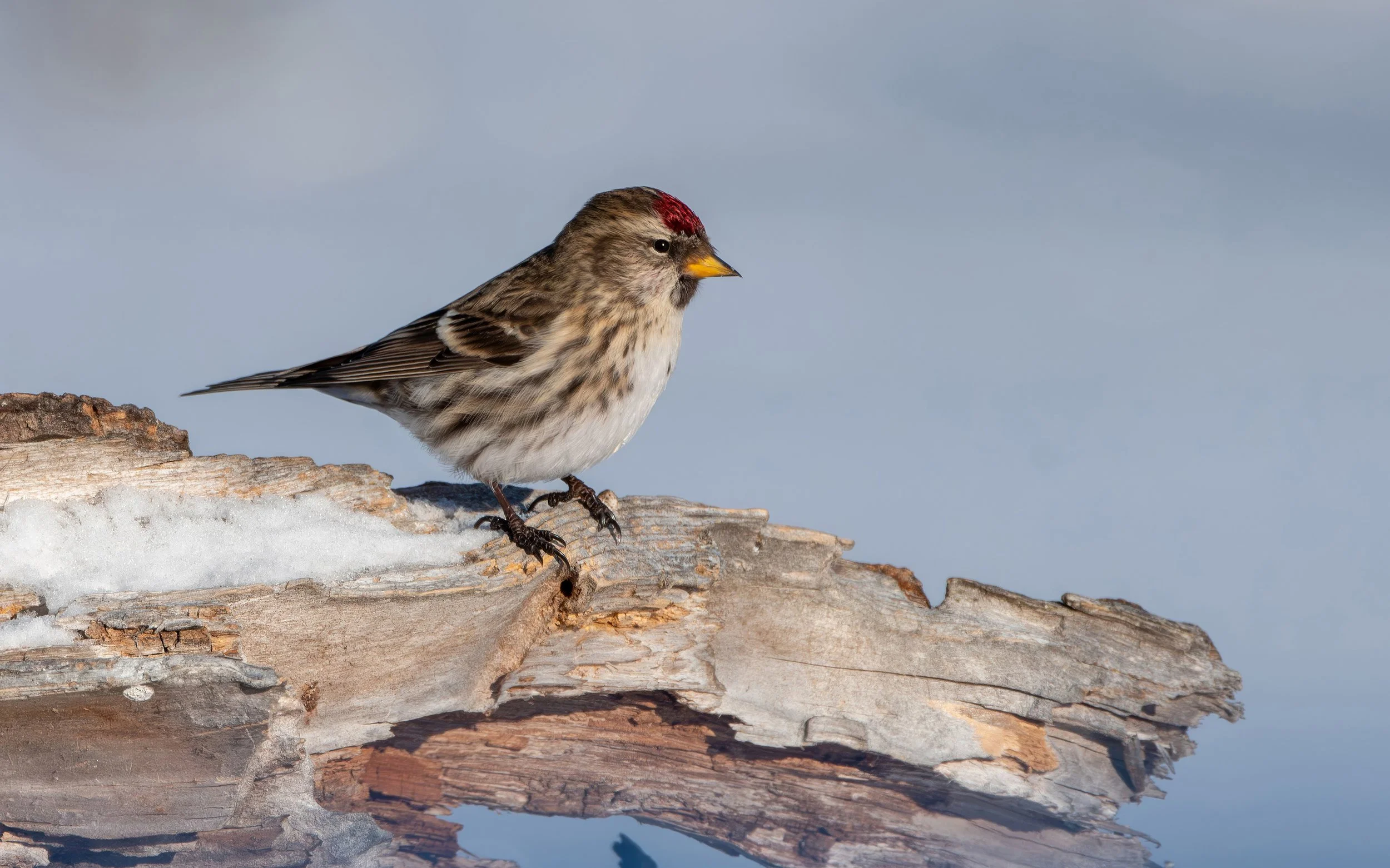
Lesser Redpoll
The feedback prompted me to address the technical concerns, making me more rigorous in assessing my images from a technical point of view. Moreover, during my trips abroad, I took the opportunity to add to my portfolio of potential images, deliberately casting the net as wide as possible to see if I could capture images covering a broader range of species, thereby providing further flexibility and options for my panel layout. For example, not only did I capture images of Eurasian Jays but also the rarer Siberian Jay, and both white and blue morph subspecies of the Arctic Fox. I also experimented with different layouts, including flipping images horizontally to improve the coherence of the panel.

Wolverine
At times, I found it difficult to be totally objective when selecting images for my next panel. There was too much emotion attached to certain difficult-to-capture images. For example, when photographing Arctic Foxes on the outskirts of Longyearbyen, which involved enduring frostbite-inducing temperatures and having to negotiate treacherous icy screes with a 500mm lens, the resulting images seemed to me more precious than their quality warranted. This is where the One2one Portfolio Review with one of the panel members, Moira Gardiner, particularly helped. She provided excellent advice throughout, including some dispassionate objectivity where needed.
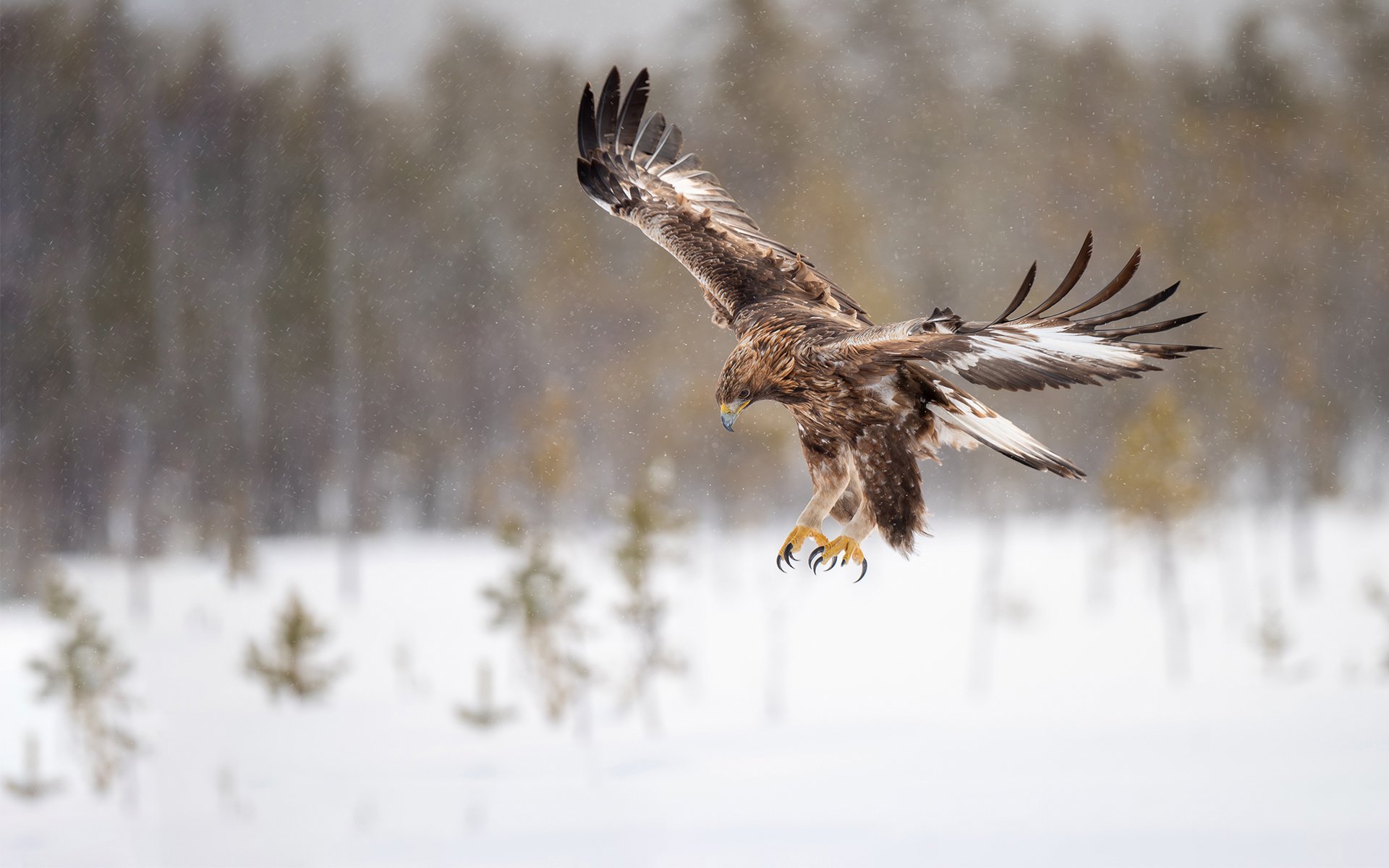
Golden Eagle
Svalbard (previously called Spitsbergen) was one of the most interesting areas I visited. Increasingly, however, its remarkable wildlife is being threatened by climate change. Almost no other region of Earth is warming more quickly. With average annual temperatures rising by about five degrees since the 1970s, the area is fast becoming a geopolitical hotspot – something made visible when I saw a Greenpeace boat pursuing its active mission in these waters. Significantly, the Svalbard archipelago is administered by Norway under a 1920 treaty which gives other signatories, including Russia, the right to live there and exploit its natural resources. As the ice melts the resources currently hidden beneath the surface, which include oil, natural gas, iron ore, copper, nickel, zinc, phosphates and diamonds, become more accessible. For this reason, Russia is increasing its activity here, with its Northern Fleet operating from the port of Murmansk, just 650 miles to the south.

Greenpeace Mission in Svalbard

Arctic Tern (Juvenile)
I experienced at first hand other examples of the changing climate. For example, keen to photograph one of the few places where puffins can be seen nesting in the snow, I visited the island of Hornoya (off Norway’s north-east coast) in March 2025. In previous years, plentiful snow was almost always guaranteed at this time, during the start of the puffins’ breeding season. Yet, far from finding widespread snow on the ground, only occasional patches were present.

Puffin in Hornoya
My second submission was assessed in November 2025. Feedback for my Statement of Intent indicated that my aims and objectives were clearly stated and that the panel matched those aims. Generally, the panel was thought to be a cohesive set of images. However, the one exception was the last image, which, though a nighttime image, was the only one of its kind and so did not work well with the rest of the panel. Again, attention was drawn to some technical issues, requiring that some images either needed reworking or replacing to ensure the whole panel was up to standard.
An additional challenge particularly pertinent to my panel was the difficulty in capturing images of apex predators. This is especially the case given that, disappointingly, species such as both brown bears and wolves, are still hunted in countries such as Finland, albeit under strict quotas. The only feasible and safe way to achieve this is to use commercial hides. Therefore, I had to pay particular attention to the additional requirement for Natural History panels relating to commercial hides (viz. “Images that have been set-up, controlled or directed by a third party must be indicated on the Submissions Details Forms and species List. Associate submissions can contain a maximum of four images taken in commercially/ third party setup conditions.”)

Wolf
Finally, in March 2026 my third submission proved successful. Although my ARPS journey had a few hiccoughs along the way, overall, it was a most enjoyable and instructive experience. I also enjoyed meeting fellow assessment candidates and the judges during the assessment events. I feel more confident now scrutinising my own images for technical quality and have knowingly changed some of my practices in the field, occasionally sacrificing a lower ISO for more guaranteed sharpness throughout. The RPS assessment process is thorough, well thought through and provides candidates with excellent feedback. Inevitably, though a degree of subjectivity cannot be avoided, and it was evident in some of the discussions that there was clear disagreement between the judges. In most cases this was resolved through the chair’s casting vote. Who knows, perhaps in the future, AI technology will be used? Nevertheless, during my final assessment I was delighted that the judges were unanimous in their decisions about my panel, and looking back at my first submission, one year earlier, I can visibly see the considerable progress I made in achieving a cohesive panel.